Dýchací potíže a jejich souvislosti s ústním zdravím
When you struggle to breathe easily, you probably think about your lungs, allergies, or stress. But what if the problem starts in your mouth? dýchací potíže, obtíže s dýcháním, které mohou být způsobeny i záněty v ústní dutině. Also known as potíže s dýcháním, they often go hand in hand with untreated dental issues that most people ignore until it’s too late. A thick layer of zubní kámen, tvrdý nános bakterií na zubech, který vytváří prostředí pro infekce doesn’t just look bad—it blocks airflow by triggering chronic inflammation. This inflammation doesn’t stay in your gums. It spreads, weakens your immune response, and can even narrow your airways over time.
Many people don’t realize that parodontitida, zánět tkání kolem zubu, který může vést k ztrátě zubů a celkovému zhoršení zdraví is linked to sleep apnea and mouth breathing. When your gums are swollen and your teeth are loose, you naturally start breathing through your mouth—especially at night. This dries out your throat, increases snoring, and makes it harder to get deep, restorative sleep. And it’s not just about comfort. Chronic mouth breathing changes facial structure, worsens jaw alignment, and can even affect your concentration during the day. The same bacteria that cause zápach z úst, ne přímo dýchací potíže, ale často jejich průvodním příznakem also release gases that irritate your nasal passages and throat, making breathing feel more labored.
You won’t feel pain at first. No sharp ache, no warning sign. Just a slow decline: you wake up tired, your throat feels scratchy, you’re constantly clearing your throat, or you notice you’re breathing louder than before. These aren’t just inconveniences—they’re signals. Your body is trying to tell you something’s wrong down there, in the back of your mouth. And fixing it doesn’t require surgery or expensive treatments. It starts with cleaning what’s already there—removing the buildup, treating the inflammation, and learning how to keep your mouth clean every single day.
Below, you’ll find real stories and practical advice from people who’ve been there. How a simple cleaning changed their sleep. Why removing tartar helped their asthma. What to do when your dentist says your gums are fine—but you still can’t breathe right. These aren’t theories. They’re experiences. And they might just be the missing piece you’ve been looking for.
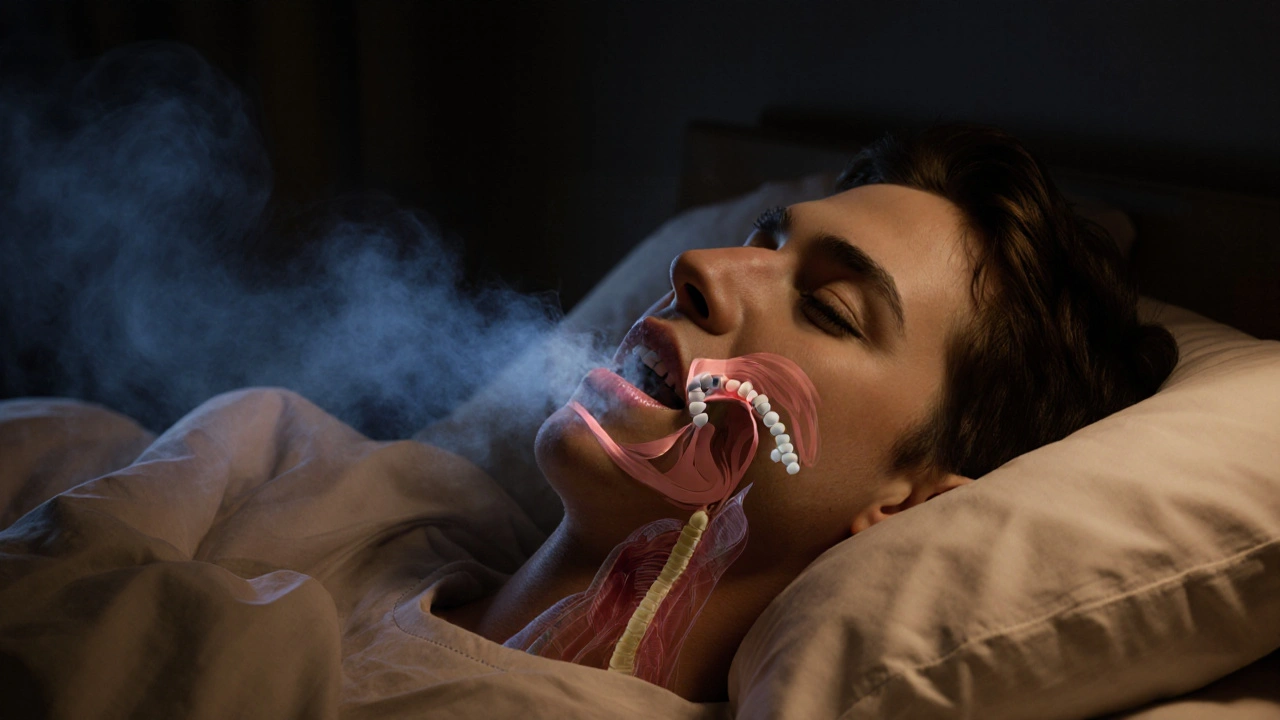
Jak postavení zubů ovlivňuje vaše dýchání
Postavení zubů ovlivňuje dýchání i během spánku. Špatné postavení čelistí může způsobit ústní dýchání, spánkovou apnoe a chronickou únavu. Zjistěte, jak ortodontie může pomoci obnovit přirozené dýchání.