Hygiena zubního můstku: Jak ho čistit a prodloužit jeho životnost
When you have a zubní můstek, pevnou zubní náhradu, která spojuje několik zubů a je připevněna k sousedním zubům. Also known as zubní protéza, it replaces missing teeth and lets you chew normally—but only if you clean it right. A single mistake in daily care can turn your můstek into a breeding ground for bacteria, leading to gum disease, bad breath, and even loss of the anchor teeth. Most people think that once the můstek is in place, their job is done. But that’s exactly when the real work begins.
Unlike natural teeth, a můstek has a bridge-like structure that traps food and plaque underneath. You can’t just brush over it and call it a day. If you skip cleaning under the pontic (the fake tooth in the middle), zubní kámen pod dásní, tvrdý nános bakterií a vápníku, který se tvoří v ústech a způsobuje zánět dásní will form right where the můstek meets your gums. This isn’t visible in the mirror, but it’s the #1 reason why můstky fail after 5–10 years. The anchor teeth get infected, the bone dissolves, and suddenly you’re facing extraction—despite the můstek itself being perfectly fine.
That’s why mezizubní kartáček, malý kartáček s tenkým drátem, který se vkládá pod a kolem zubních náhrad isn’t optional—it’s your new best friend. You need to thread it under the můstek at least once a day, preferably after dinner. Don’t use regular floss; it just slides over the top and leaves the dirt underneath. A mezizubní kartáček physically scrapes out the gunk. Pair it with a soft-bristled toothbrush and fluoride toothpaste. Avoid whitening pastes—they’re too abrasive for the porcelain and metal parts of the můstek.
And yes, you still need professional cleanings every six months. Even the best home care can’t remove hardened tartar that builds up over time. Your hygienist will use special tools to clean under the můstek without scratching it. If you ignore this, you’re risking zubní kámen pod dásní turning into full-blown periodontitis, which can destroy the bone holding your anchor teeth in place.
Some people think bad breath or bleeding gums are normal after getting a můstek. They’re not. That’s your body screaming for help. A healthy můstek shouldn’t cause any discomfort, odor, or bleeding. If you notice these signs, don’t wait. See your dentist right away—early intervention can save the whole structure.
You don’t need expensive gadgets. You don’t need to spend hours cleaning. Just be consistent. Brush twice a day, clean under the můstek daily with a proper interdental brush, and get professional cleanings on schedule. That’s it. This simple routine can keep your můstek functional and invisible for 20 years or more. Skip it, and you’re gambling with your smile, your wallet, and your oral health.
Below, you’ll find real-life tips and proven methods from people who’ve been there—how to choose the right brush, what to avoid, and how to spot trouble before it’s too late.
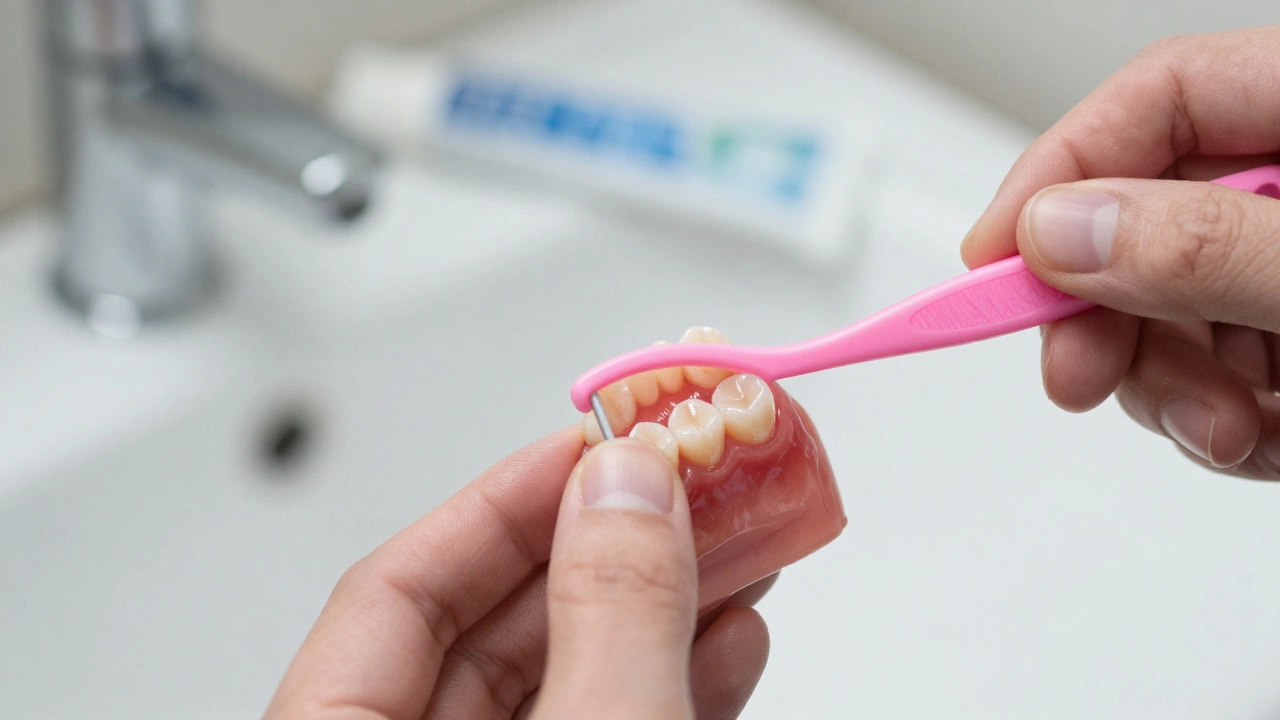
Jak čistit zuby pod můstkem: praktický návod pro čistotu a zdraví
Jak čistit zuby pod můstkem správně? Návod pro domácí hygenu s mezizubními kartáčky, níťou a vodním proudem. Zabráněte zánětům a prodlužte životnost můstku.