Žvýkání: Jak ovlivňuje zdraví zubů a dásní
When you chew, you're not just eating—you're activating your entire oral system. Žvýkání, proces, při kterém se jídlo mechanicky rozděluje v ústech pomocí zubů a svalů čelisti. Also known as mastication, it's one of the first steps in digestion, but it also plays a huge role in keeping your teeth and gums healthy. If you chew mostly on one side, or if you grind your teeth without realizing it, you're putting uneven stress on your jaw and teeth. This can lead to worn-down enamel, cracked fillings, or even jaw pain. And it’s not just about what you chew—it’s how often and how hard.
Zubní kámen, tvrdý nános bakterií a minerálů, který se tvoří, když se plak nesmírně nečistí. Also known as kámen na zubech, it builds up faster when you don’t chew enough or when you eat soft, sticky foods all day. Chewing stimulates saliva, and saliva is your mouth’s natural cleaner—it washes away food particles, neutralizes acids, and helps remineralize enamel. If you’re always snacking on sweets or soft foods without chewing much, you’re basically giving bacteria a free pass to multiply. Even chewing sugar-free gum can help—studies show it increases saliva flow by up to 10 times. But don’t rely on gum alone. Real chewing—on crunchy veggies, apples, or even lean meat—does more than just clean your teeth. It strengthens the jawbone, keeps gums firm, and helps prevent receding gums.
Dásně, měkké tkáně kolem zubů, které je chrání a udržují na místě. Also known as zubní dásně, they’re the first line of defense against infection. When you chew properly, you’re massaging your gums, which improves blood flow and keeps them healthy. If you don’t chew enough, your gums can become weak, swollen, or bleed easily—early signs of gum disease. And once gum disease starts, it doesn’t go away on its own. It can lead to tooth loss, even if your teeth themselves are perfectly healthy. The problem isn’t just poor chewing habits—it’s what you’re chewing. Sugary snacks, soft breads, and sticky candies don’t stimulate saliva or clean your teeth. They stick around, feeding bacteria that cause decay and inflammation. On the other hand, foods like carrots, celery, nuts, and apples act like natural toothbrushes. They scrub your teeth as you chew and help remove plaque.
So if you’ve been told to "chew your food well"—it’s not just old advice. It’s science. Chewing properly isn’t about speed. It’s about rhythm, balance, and variety. If you always chew on the right side because your left tooth hurts, that’s a red flag. If you grind your teeth at night, you might need a mouthguard. If your gums bleed when you eat, you’re not just being sensitive—you’re sending a signal.
Below, you’ll find real stories and practical guides from people who’ve learned the hard way what happens when you ignore your chewing habits. From how chewing affects your sleep to why chewing sugar-free gum isn’t enough, these posts give you the facts you need to protect your teeth—not just with brushing, but with every bite you take.
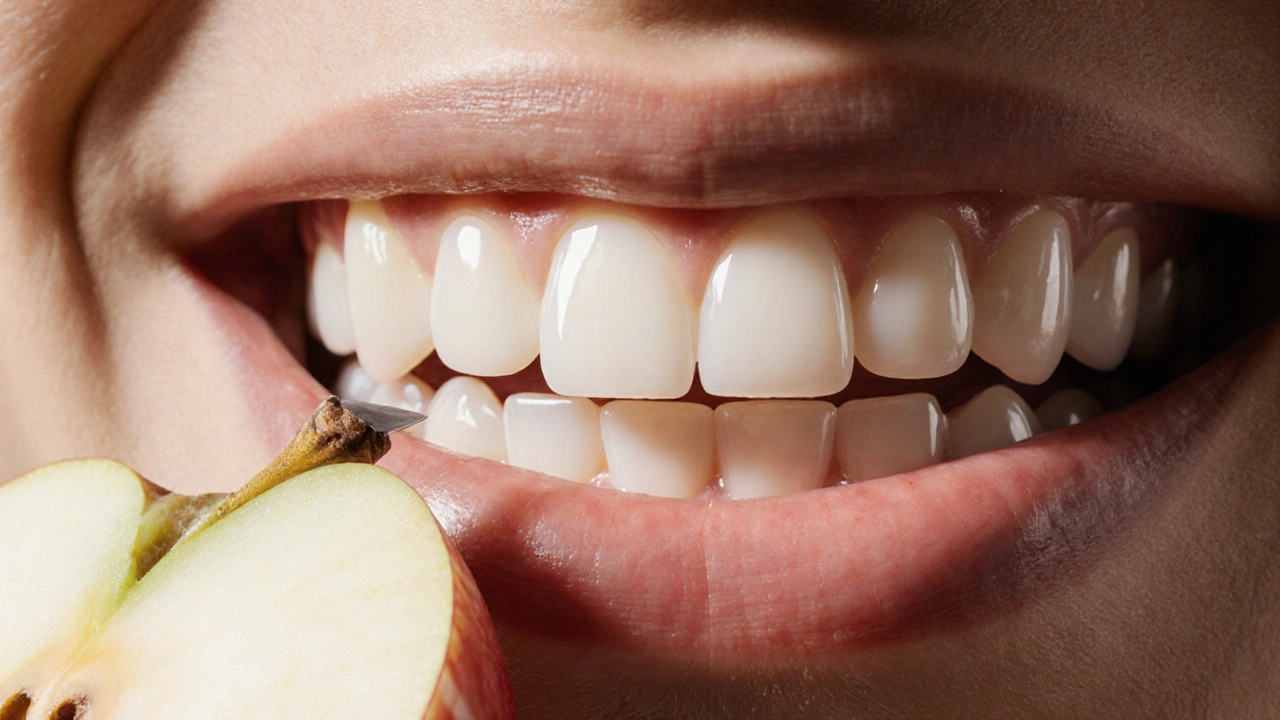
Názvy jednotlivých zubů a jejich funkce pro žvýkání a hovor
Znáte názvy jednotlivých zubů a jejich funkci? Každý zub - řezák, klička nebo molár - má svou úlohu při žvýkání a mluvení. Zjistěte, proč je důležité je poznávat a jak jejich ztráta ovlivňuje celé tělo.